Close
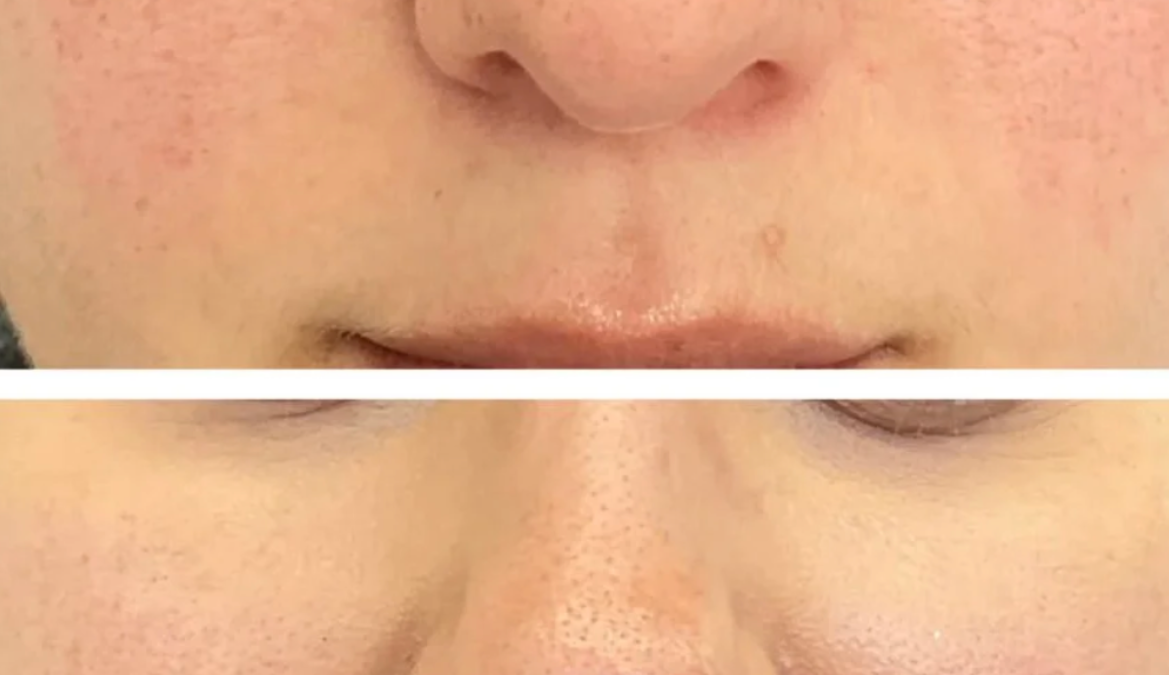
Pigmentation concerns are among the most frequent reasons patients seek medical aesthetic guidance. Dark spots, uneven tone, or persistent patches of colour can feel frustrating — particularly when they change over time or return despite treatment.
These changes are not random. They reflect how the skin has responded to sun exposure, inflammation, hormonal shifts, and environmental stressors. Pigmentation is therefore not simply cosmetic; it represents underlying skin biology.
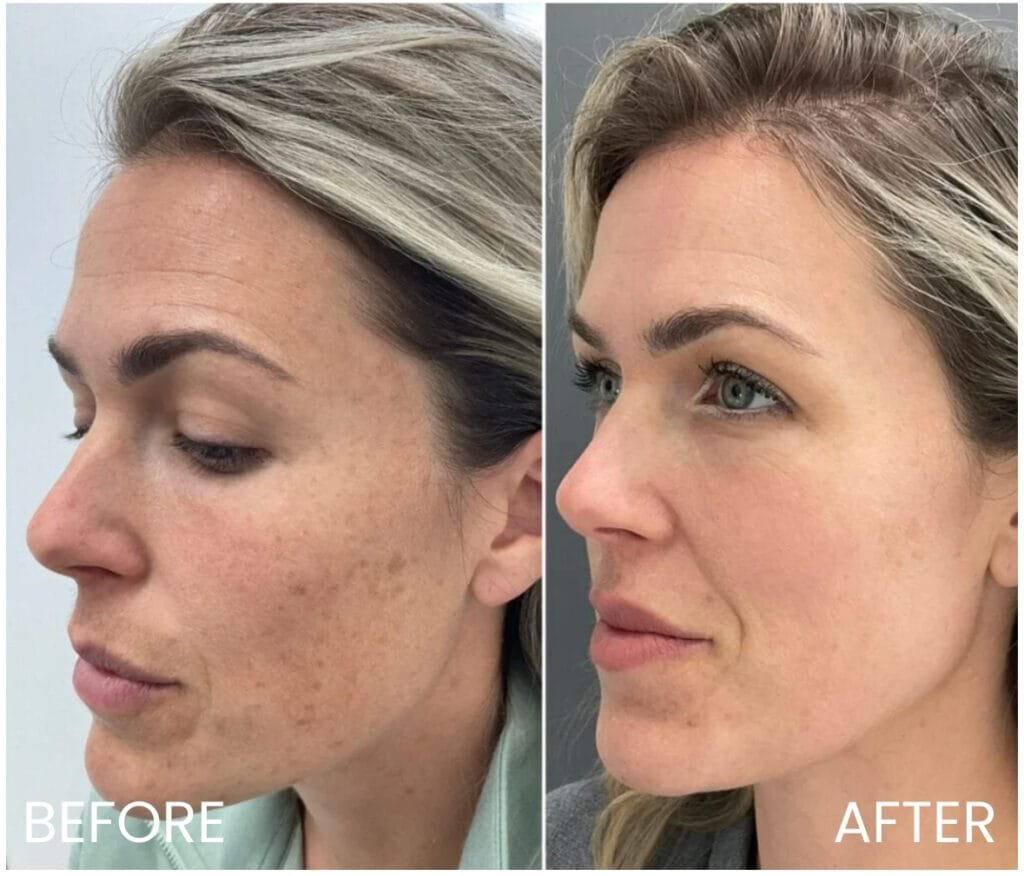
Melanin, the pigment responsible for skin colour, is produced by melanocytes. Its purpose is protective. When the skin is exposed to ultraviolet radiation or other triggers, melanin production increases. Over time, this can become uneven or excessive, leading to visible discolouration.
Pigmentation can occur in all skin tones and at all ages. However, cumulative sun exposure and repeated stimulation of melanocytes make it more common as the years progress.
Recognizing what type of pigment is present is essential before any treatment decision is made.
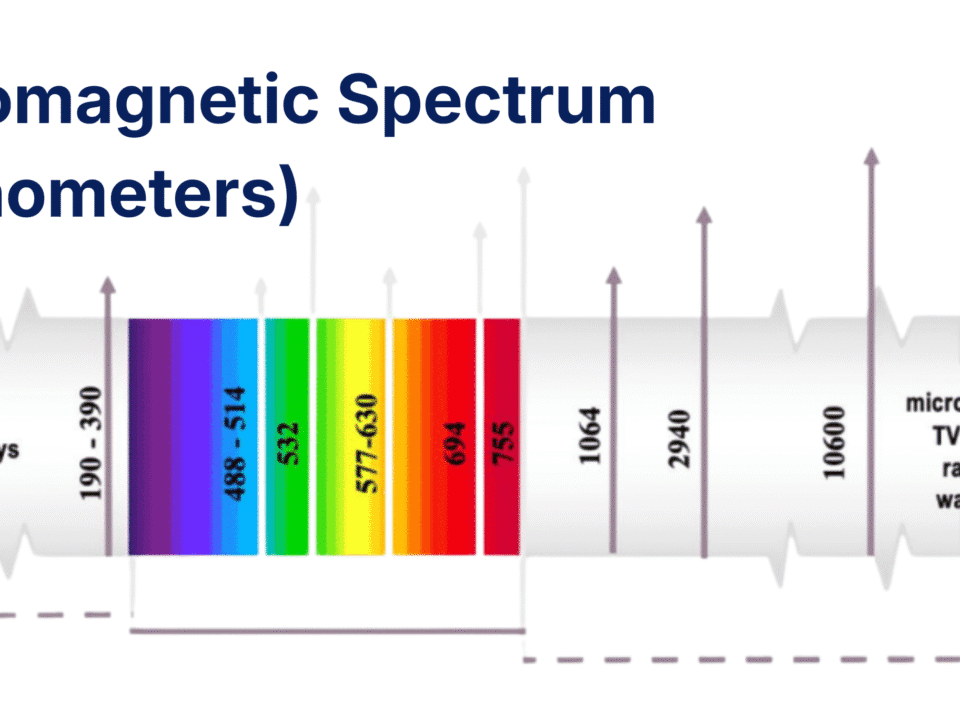
Nurse Jacklyn's focus is always on treatments proven to support long-term skin health. Broadband Light (BBL) is one of the most advanced technologies available today, offering much more than surface-level improvements. It works by delivering precise pulses of light energy deep into the skin, targeting pigmentation, redness, and remodel collagen.

What makes this treatment truly remarkable is its ability to stimulate the skin at the cellular level. Research shows that BBL can influence the expression of genes associated with aging, helping the skin function more like youthful, healthy tissue over time.
During treatment, BroadBand Light gently heats the upper layers of the skin and delivers infrared light into the deeper layers. This process encourages the body to naturally renew itself, repairing sun damage and supporting the production of new collagen. By addressing both visible concerns and underlying cellular function, BBL delivers results that are noticeable right away and continue to improve over time.
Not all pigmentation behaves the same way.
Freckles (Ephelides) are typically small, flat, and genetically influenced. They often deepen with sun exposure and may appear early in life.
Age Spots, also known as Solar Lentigines, are larger, well-defined brown patches caused by chronic ultraviolet exposure. They commonly develop on sun-exposed areas such as the face, chest, shoulders, and hands, and tend to increase over time.
Melasma presents differently. It often appears as symmetrical brown or grey-brown patches on the cheeks, forehead, or upper lip. Hormonal influence, heat, and UV exposure are known contributors, and this form of pigmentation can be chronic and prone to recurrence.
Post-Inflammatory Hyperpigmentation (PIH) develops after acne, trauma, or inflammation. It is more common in deeper skin tones and may gradually fade, though it can persist without guided intervention.
Because these forms differ in cause and behaviour, management must be individualized.
Treatment decisions are based on pigment depth, skin type, and overall skin health. The goal is not simply to remove colour, but to improve tone safely while supporting long-term skin integrity.
BroadBand Light (BBL) is used to address sun-induced pigmentation such as freckles, solar lentigines, and diffuse discoloration. This high-intensity filtered light targets melanin within the skin, supporting gradual clearance of excess pigment while enhancing overall tone. Clinical evidence supports its role in improving sun-related dyschromia and promoting long-term skin health when used appropriately.
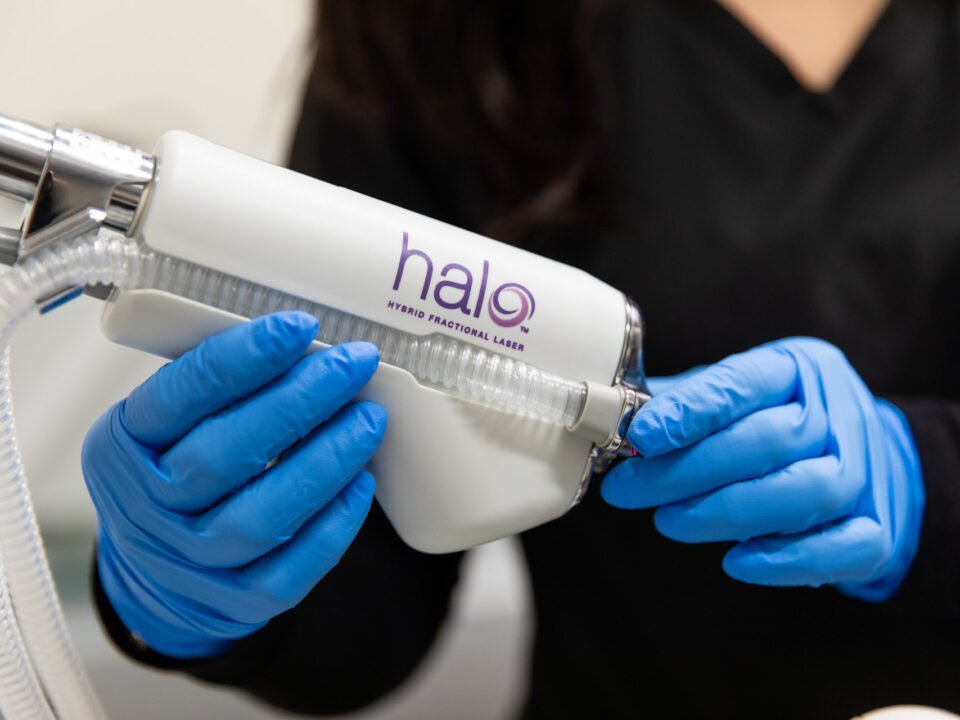
Learn more...When pigmentation involves multiple layers of the skin or is accompanied by texture concerns, hybrid fractional laser technology such as HALO may be considered. By combining ablative and non-ablative wavelengths, it addresses pigment at different depths while encouraging controlled skin regeneration. This approach can be beneficial when discoloration is not purely superficial.
Learn more...For more advanced photoaging and significant sun damage, fully ablative erbium resurfacing may be appropriate. By removing damaged epidermal layers and allowing regeneration of healthier skin, it can improve severe sun-induced pigmentation. Careful patient selection is essential, and this modality is not suitable for hormonally driven pigment such as melasma.
Learn more...
In-clinic procedures are often supported by topical therapy, either as primary treatment or for maintenance.
Ingredients commonly incorporated into pigment management plans include hydroquinone for short-term suppression, tranexamic acid particularly for melasma, arbutin and kojic acid to inhibit melanin production, vitamin C for antioxidant support, and retinoids to promote renewal. Daily sun protection remains fundamental across all pigment types.
Topical therapy is never universal. Skin type, tolerance, and pigment pattern must guide selection.
Long-term pigment control depends on consistent protective habits. Daily broad-spectrum SPF throughout the year, minimizing sun exposure during peak hours, protective clothing, limiting excessive heat exposure, and gentle skincare routines all reduce unnecessary stimulation of melanocytes.
Sun protection is not simply preventative — it is integral to maintaining results, especially for melasma and post-inflammatory hyperpigmentation.
Any lesion that appears raised, irregular, changing, bleeding, or symptomatic should be assessed by a dermatologist prior to aesthetic treatment. Appropriate evaluation ensures both safety and accurate diagnosis.
Pigmentation is not something that can be permanently erased. It is managed thoughtfully over time. Light-based treatments and medical-grade skincare are tools that support healthier, stronger skin, but realistic expectations and consistent care are essential.
After experiencing skin cancer personally, I have developed a deep respect for sun avoidance, early detection, and long-term skin health behaviours. The goal is not perfection, but resilient skin that ages safely and beautifully.
If you have questions about pigmentation or would like guidance tailored to your skin, a consultation can help determine the most appropriate course of care.
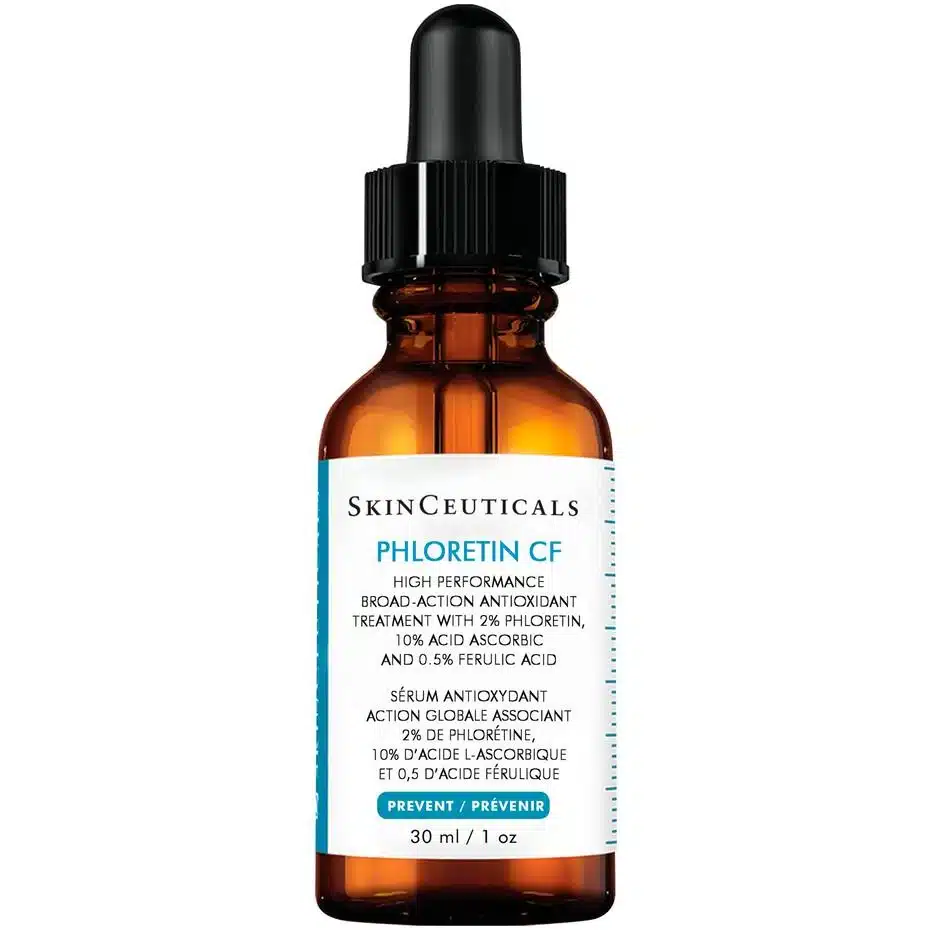
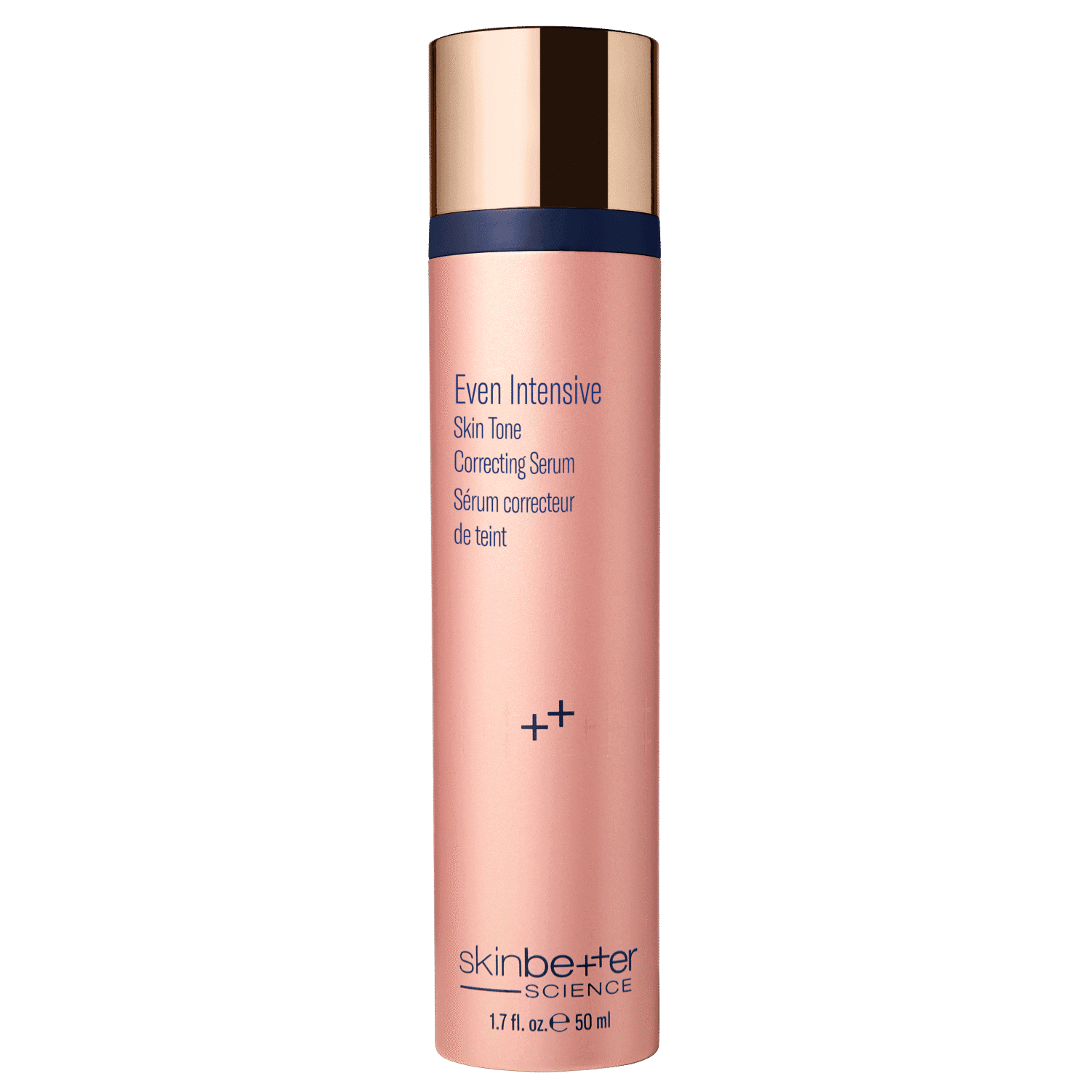
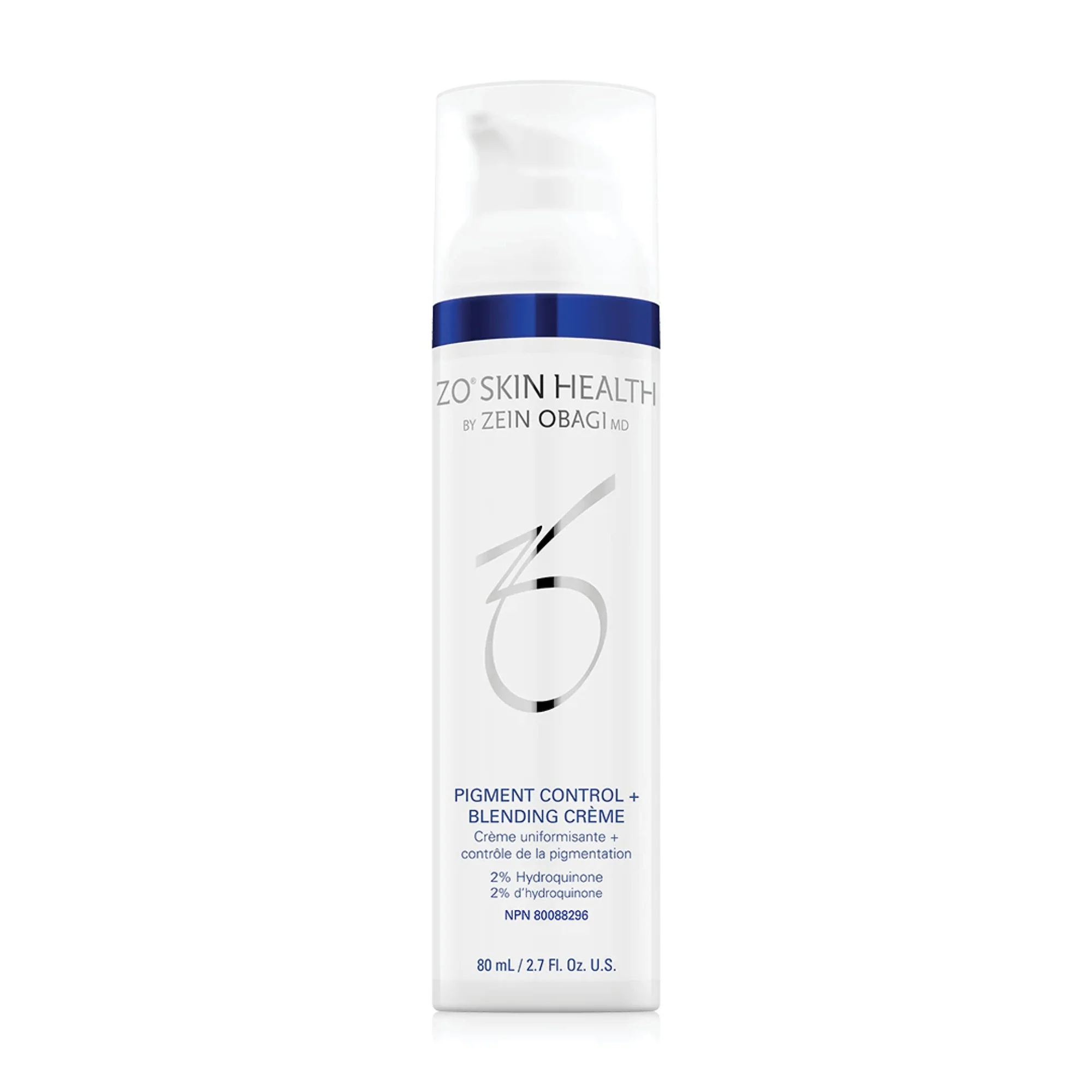
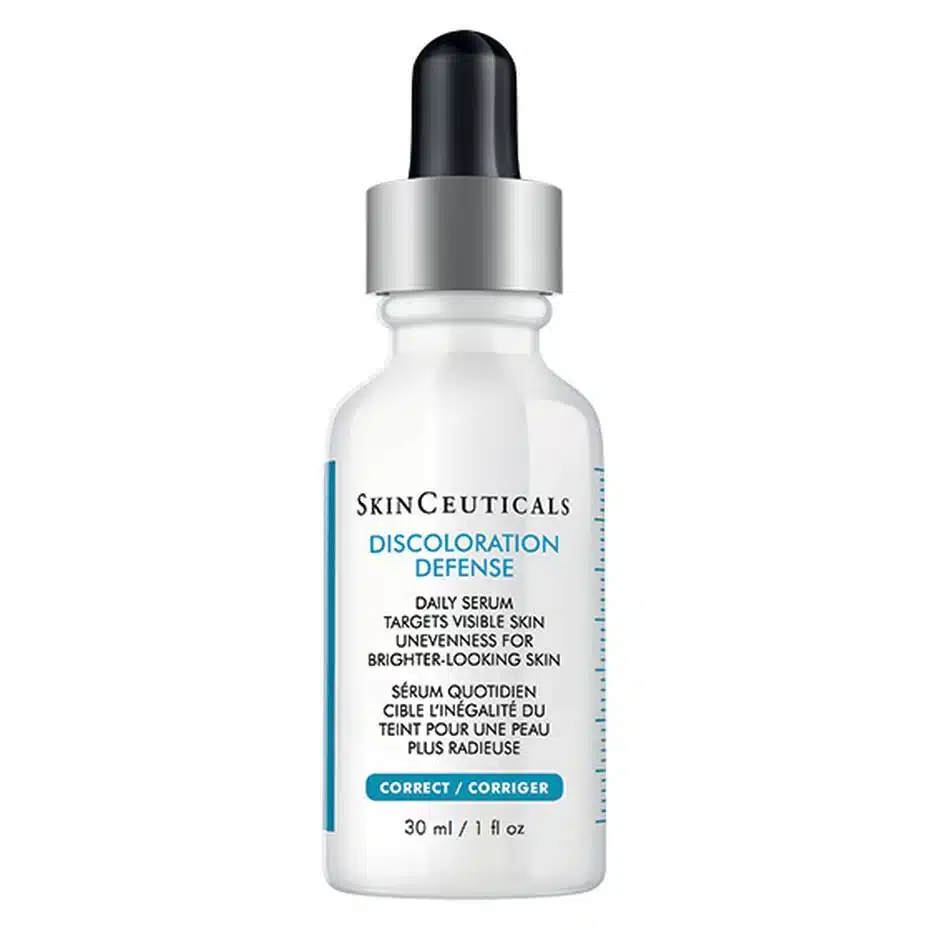
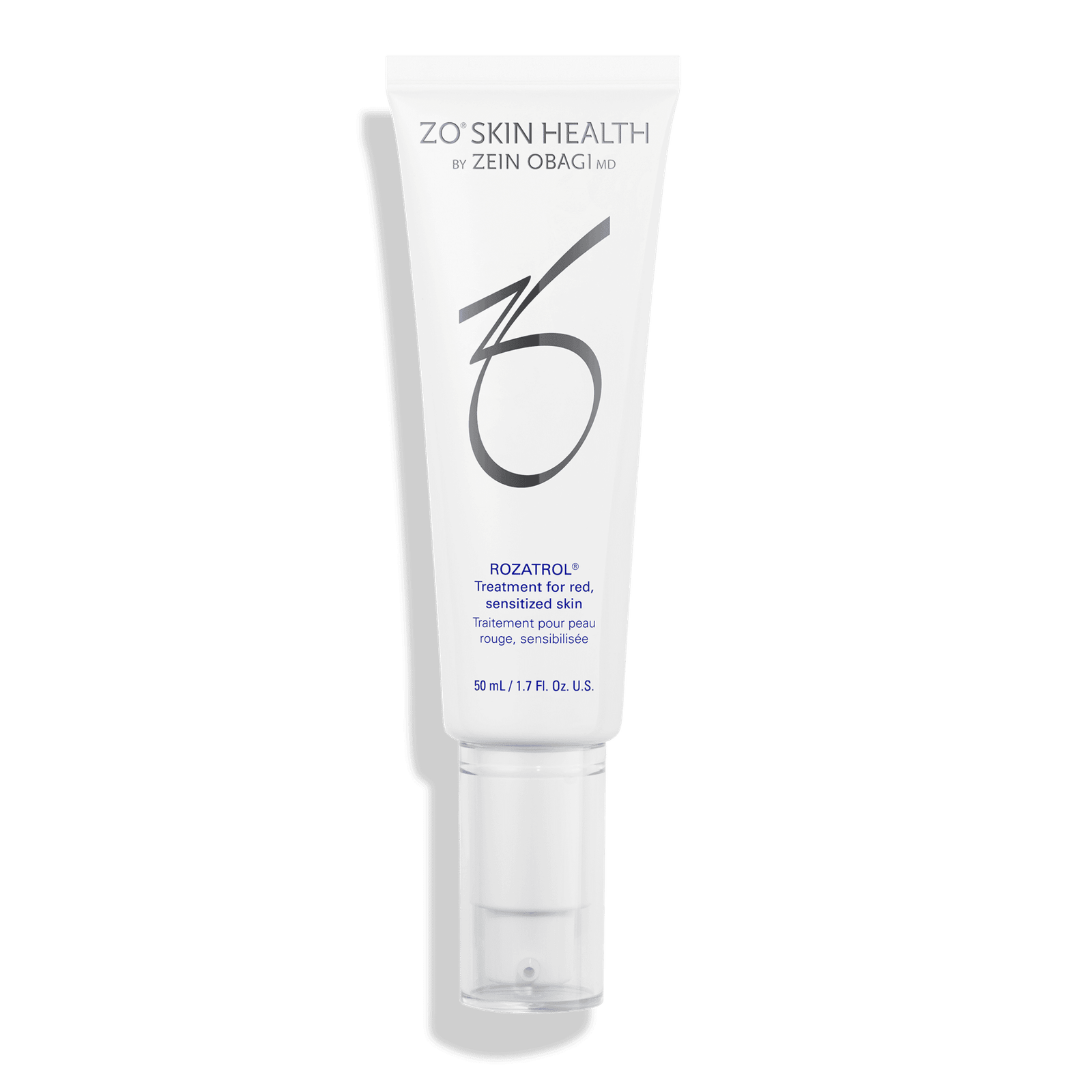
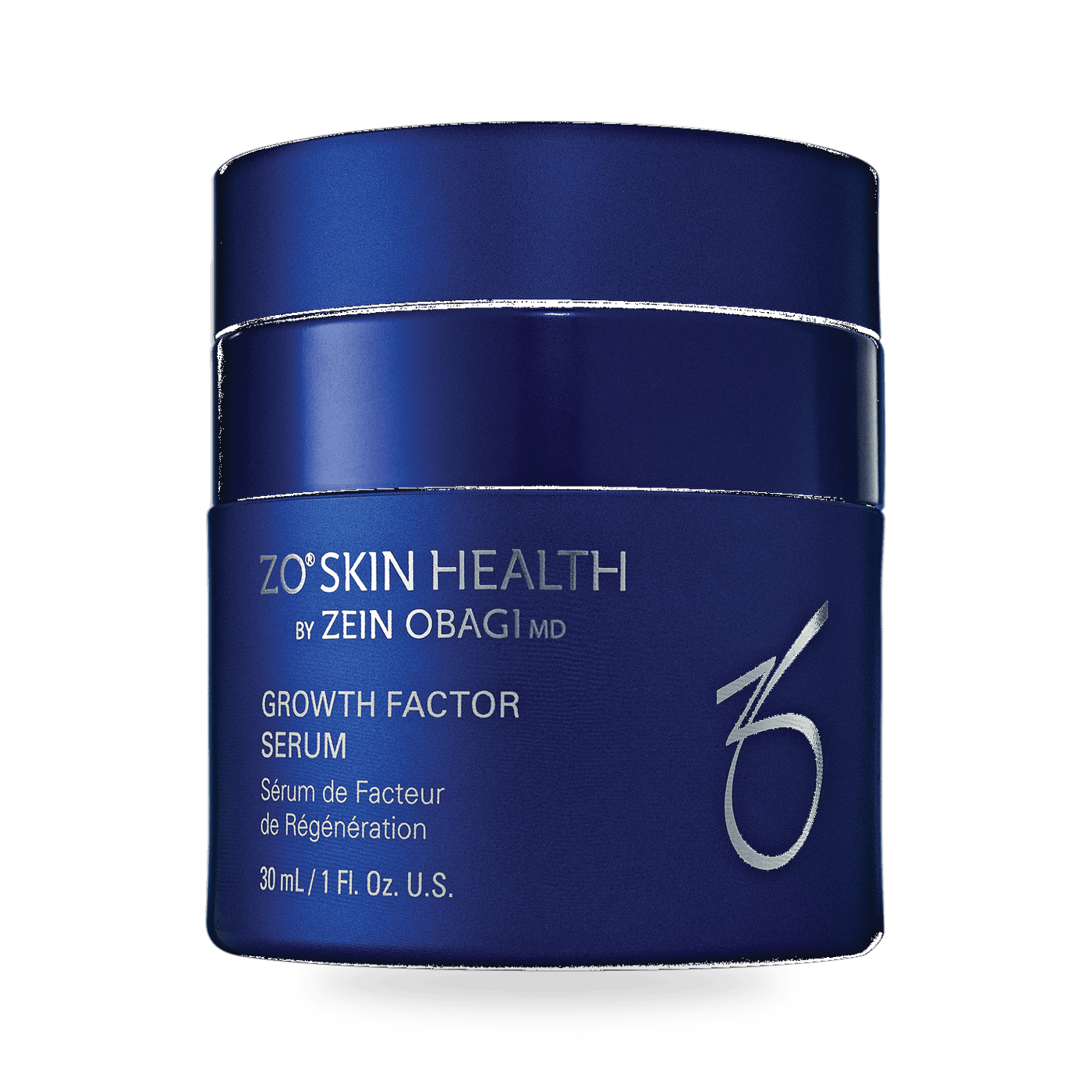
Managing pigmentation requires a combination of professional treatments and medical-grade skincare to maintain results and prevent recurrence. Here are Nurse Jacklyn’s top product picks to support brighter, more balanced skin:
A potent antioxidant serum that helps protect the skin from environmental triggers that can worsen pigmentation, while promoting an even, radiant complexion.
Formulated to help reduce the appearance of stubborn discoloration and uneven tone, supporting long-term pigment management when used alongside professional care.
Targeted to help regulate melanin production, this product supports the fading of existing pigmentation and helps prevent new discoloration as part of a comprehensive skin plan.
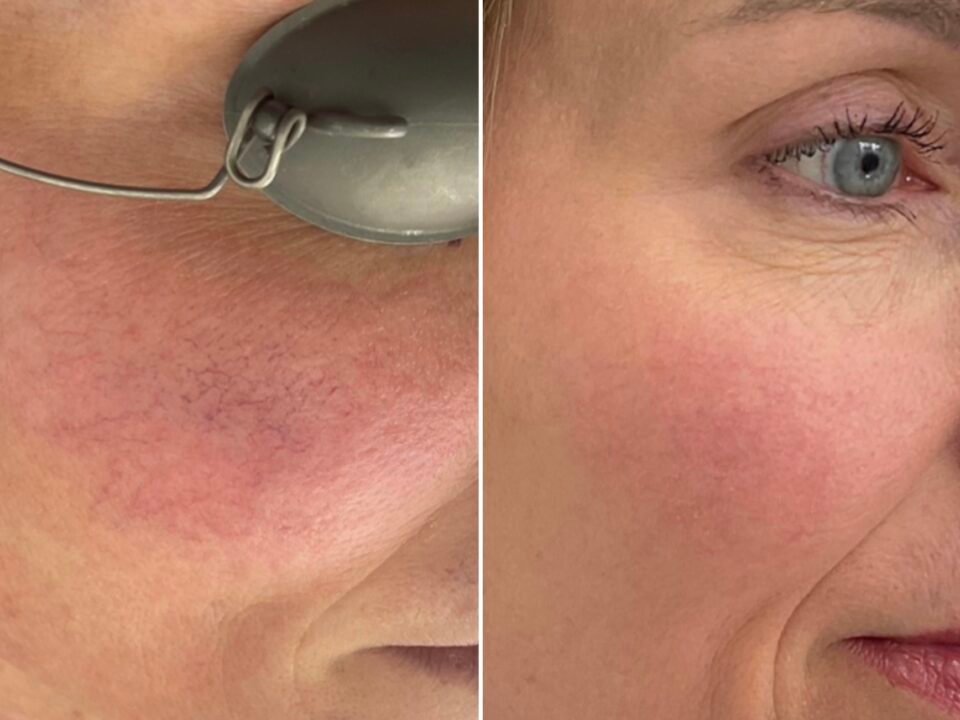
BBL has been clinically proven to reduce brown spots, age spots, and freckles caused by sun exposure. It helps calm redness, rosacea, and broken capillaries, while refining skin tone and texture for a clearer, brighter complexion. Many patients notice a more even, luminous appearance within days, while ongoing treatments help maintain firmness and resilience as the skin continues to renew itself from within.
According to a study published in PubMed Central, just three BBL sessions produced visible improvements in wrinkles and pigmentation, with tissue samples showing stronger collagen and evidence of true skin repair.
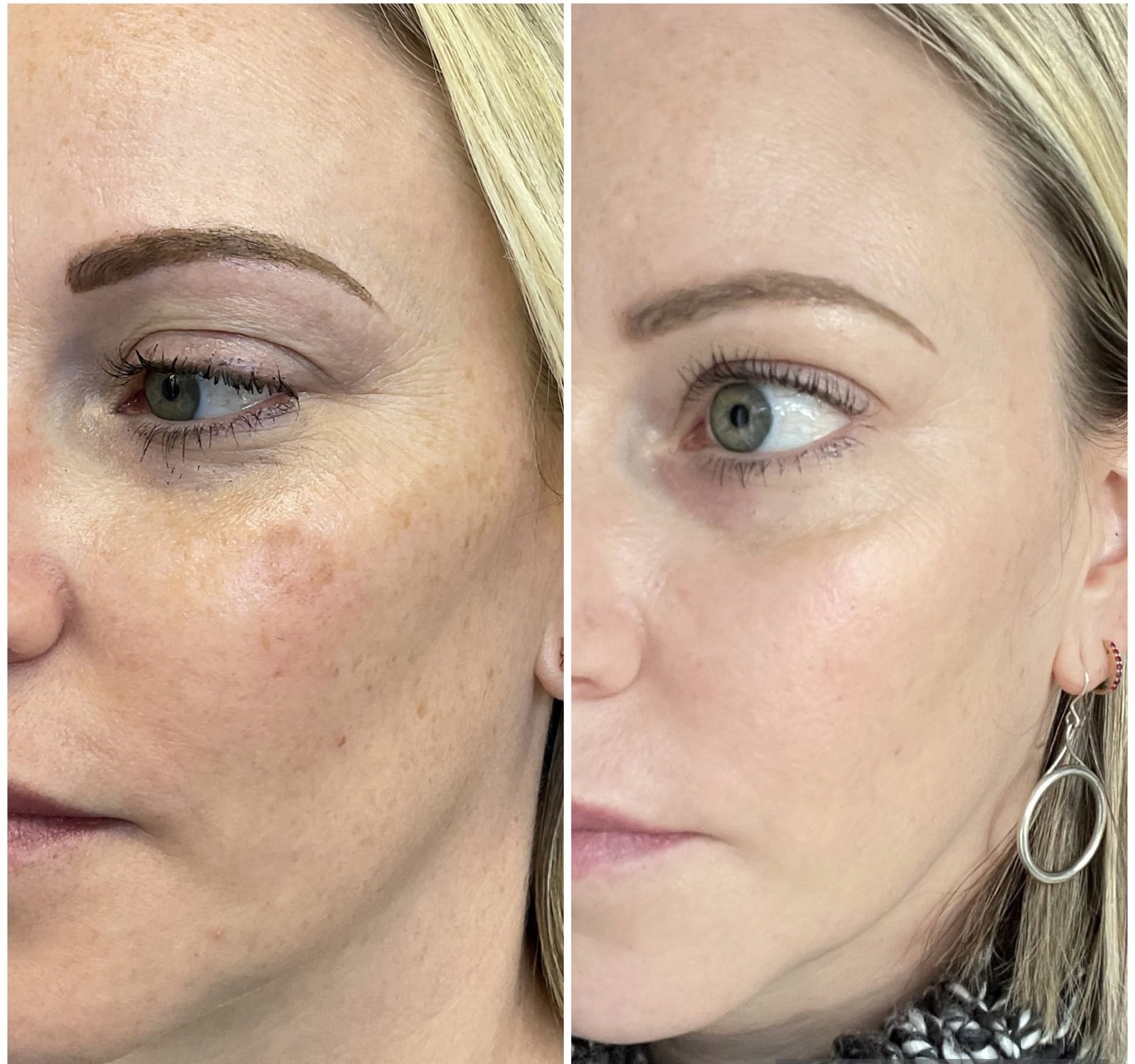
BBL (BroadBand Light) Indications Include:
Most patients begin with a series of three to four treatments, spaced about one month apart, to achieve optimal results. Once skin health is restored, a maintenance treatment, once or twice a year, helps protect and preserve those results.
Downtime is minimal — the skin may appear slightly red immediately after, similar to a mild sunburn, and pigmentation often darkens temporarily before gently sloughing away within a week. This makes BBL a treatment that is both effective and easy to integrate into your lifestyle.
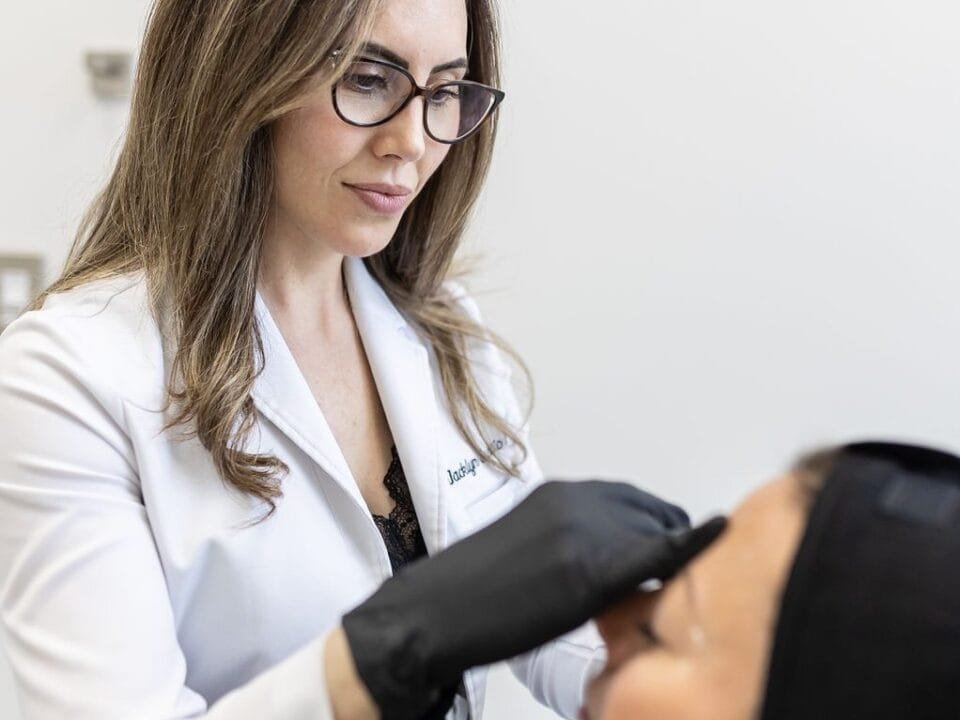
Nurse Jacklyn, a Canadian Key Opinion Leader and National Educator for Sciton Lasers, is highly trusted for her expertise and 18 years of experience with BBL. She recommends BBL as a safe and effective way to refresh and rejuvenate the skin.
“My philosophy has always been to blend the art of beauty with the science of skin health. BBLis one of the cornerstone technologies I recommend because of its proven ability to restore and maintain youthful skin over time. On its own, BBL provides powerful results, but it can also be combined with other treatments, such as ClearSilk or Halo laser, for even greater rejuvenation. My goal is always to create a personalized plan that addresses your unique concerns while promoting your long-term skin health.”
BBL laser treatments refresh and rejuvenate the skin, and the right skincare can help you maximize and maintain those results. Here are three of Nurse Jacklyn’s top product picks to help maintain a brighter, calmer, and clearer complexion after BBL treatment.