Understanding Laser Resurfacing: Contour TRL vs. Profractional Laser
Laser treatments can sound intimidating, but they don’t have to be. At my clinic, I'm passionate about helping you understand your options, so you feel empowered about your skin health. Today, we’re breaking down two powerful laser resurfacing technologies—Contour TRL and Profractional—to shed light on how they work and what they can do for you. With my background as a national educator in laser technology and years of hands-on experience, I’m excited to guide you through this journey with clarity and care.
The Science Behind Laser Resurfacing, Simplified
Imagine your skin as a beautiful painting that’s picked up some wear over time—maybe a few scratches or faded spots from sun exposure. Laser resurfacing is like a skilled restorer, using light to refresh that canvas. But how does it work?
Lasers deliver focused beams of light energy to your skin. This energy targets damaged cells and gently removes them, while also waking up your skin’s natural repair system. That system boosts collagen and elastin—think of them as the scaffolding that keeps your skin plump and smooth.
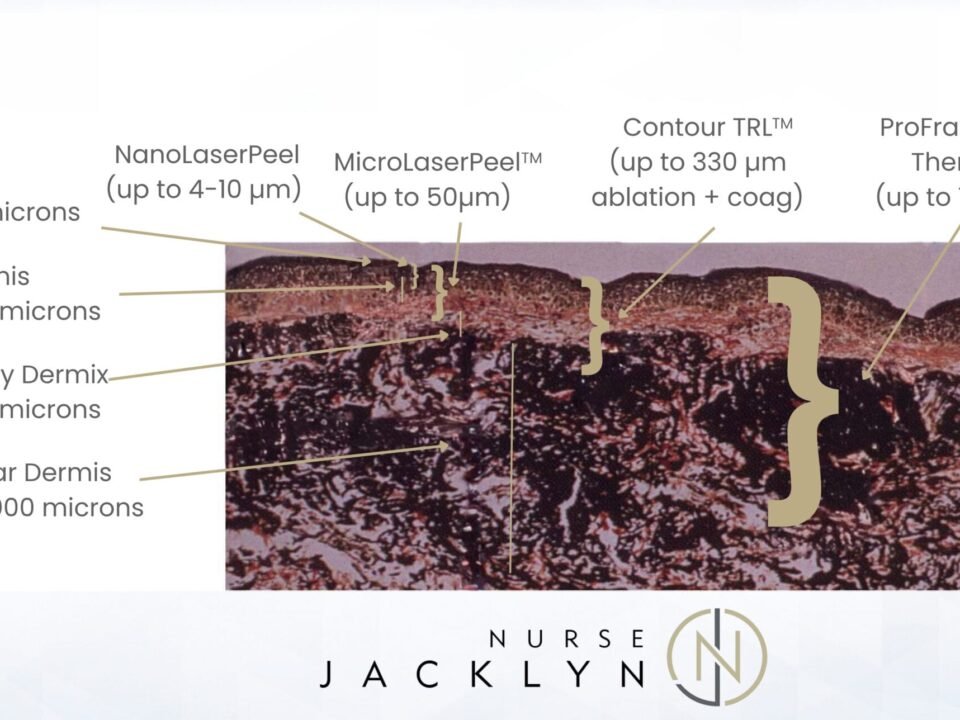
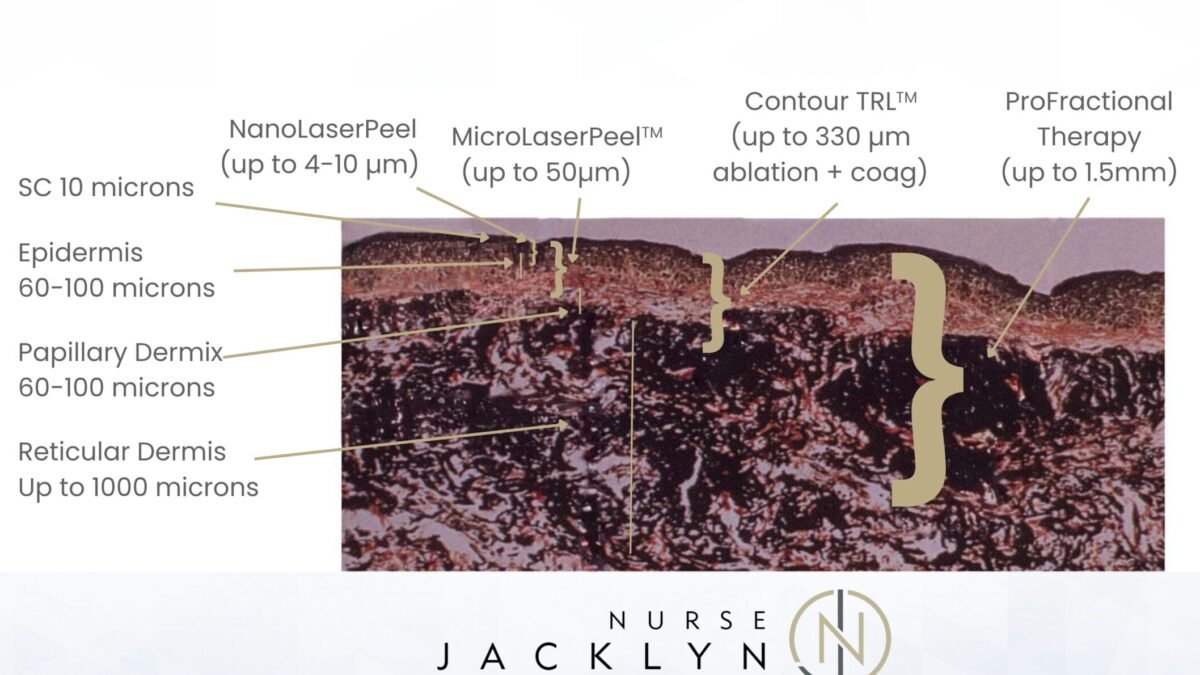
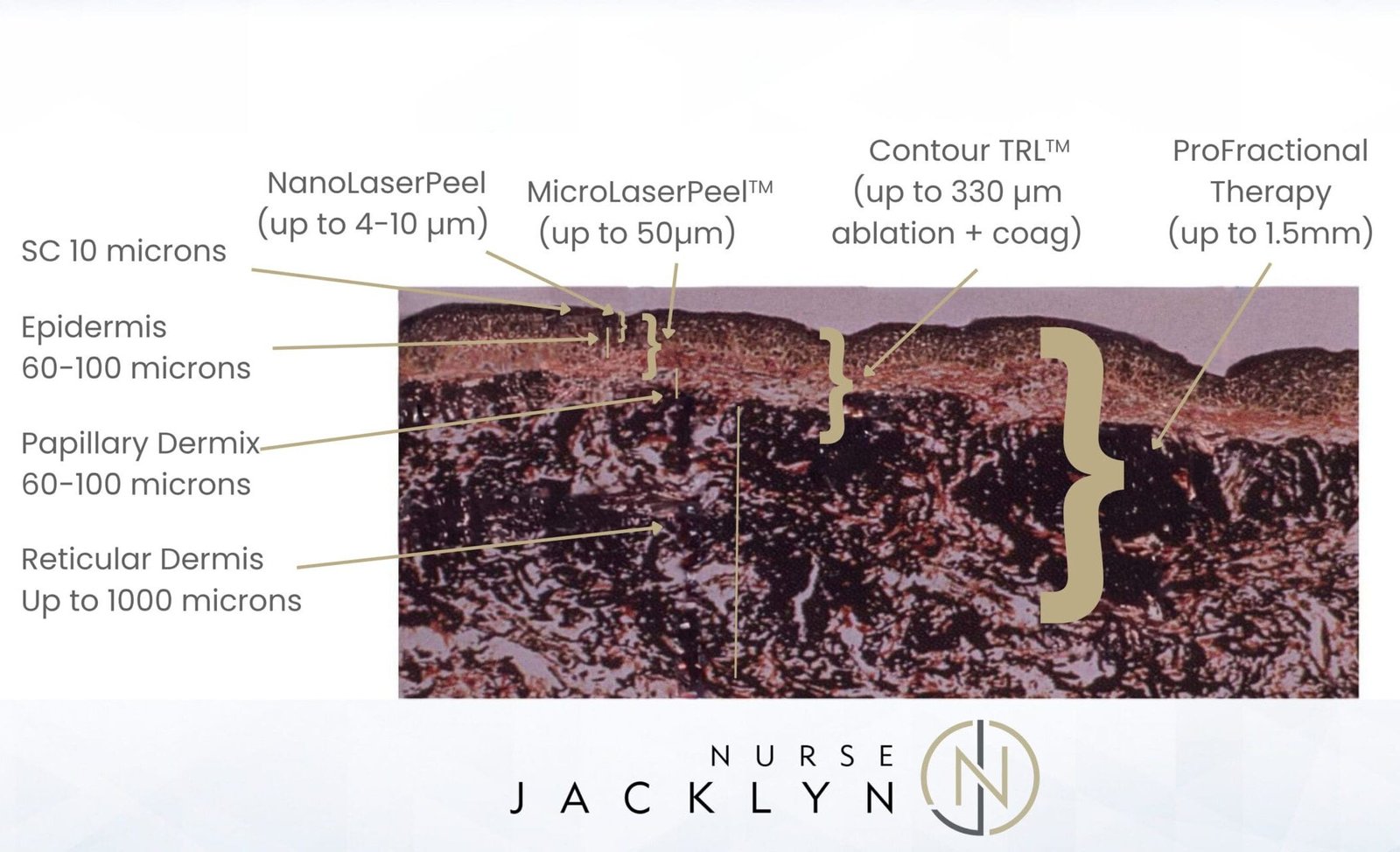
Your skin has two main layers we care about here: the epidermis (the thin outer shield, about 100 microns thick) and the dermis (the thicker layer below, where collagen lives). Depending on the laser, we can adjust how deep we go to match your goals. It’s science meets precision—and it’s all about revealing your best skin.
Understanding Laser Resurfacing: Contour TRL vs. Profractional Laser
Laser treatments can sound intimidating, but they don’t have to be. At my clinic, I'm passionate about helping you understand your options, so you feel empowered about your skin health. Today, we’re breaking down two powerful laser resurfacing technologies—Contour TRL and Profractional—to shed light on how they work and what they can do for you. With my background as a national educator in laser technology and years of hands-on experience, I’m excited to guide you through this journey with clarity and care.
The Science Behind Laser Resurfacing, Simplified
Imagine your skin as a beautiful painting that’s picked up some wear over time—maybe a few scratches or faded spots from sun exposure. Laser resurfacing is like a skilled restorer, using light to refresh that canvas. But how does it work?
Lasers deliver focused beams of light energy to your skin. This energy targets damaged cells and gently removes them, while also waking up your skin’s natural repair system. That system boosts collagen and elastin—think of them as the scaffolding that keeps your skin plump and smooth.
Your skin has two main layers we care about here: the epidermis (the thin outer shield, about 100 microns thick) and the dermis (the thicker layer below, where collagen lives). Depending on the laser, we can adjust how deep we go to match your goals. It’s science meets precision—and it’s all about revealing your best skin.

Contour TRL: The Deep Dive
The Contour TRL (Tunable Resurfacing Laser) is what we call a fully ablative laser. That means it removes the entire surface of the treated area—like sanding down a weathered table to start fresh.
- How it Works: We can tune Contour TRL to target anywhere from 100 microns (just the epidermis) to 800-1000 microns (deep into the dermis). It’s perfect for tackling stubborn issues like deep wrinkles, significant sun damage, or acne scars.
- The Science Bit: Beyond removing old skin, it heats the deeper layers (a process called coagulation), which kickstarts collagen remodeling. That’s the secret to its long-lasting glow-up.
- Good to Know: Recovery takes a bit longer—think days to weeks, depending on depth—because it’s a more intensive reset. You’ll see redness and peeling as your skin rebuilds itself, but the payoff is dramatic.
Contour TRL is for those ready for a big transformation and who can carve out some healing time.
Contour TRL: The Deep Dive
The Contour TRL (Tunable Resurfacing Laser) is what we call a fully ablative laser. That means it removes the entire surface of the treated area—like sanding down a weathered table to start fresh.
- How it Works: We can tune Contour TRL to target anywhere from 100 microns (just the epidermis) to 800-1000 microns (deep into the dermis). It’s perfect for tackling stubborn issues like deep wrinkles, significant sun damage, or acne scars.
- The Science Bit: Beyond removing old skin, it heats the deeper layers (a process called coagulation), which kickstarts collagen remodeling. That’s the secret to its long-lasting glow-up.
- Good to Know: Recovery takes a bit longer—think days to weeks, depending on depth—because it’s a more intensive reset. You’ll see redness and peeling as your skin rebuilds itself, but the payoff is dramatic.
Contour TRL is for those ready for a big transformation and who can carve out some healing time.

Profractional Laser: The Quick Refiner
The Profractional laser takes a different approach—fractional resurfacing. Instead of treating the whole surface, it targets tiny, precise spots—like touching up a painting with a fine brush.
- How it Works: It creates thousands of micro-channels in your skin, leaving healthy tissue around them untouched. This sparks collagen growth while speeding up healing.
- The Science Bit: By focusing on small zones, it balances effectiveness with efficiency. It’s great for fine lines, mild scars, or uneven texture.
- Good to Know: Recovery is fast—redness fades in a day or two, and most people are back to their routine quickly. Results build over time as collagen fills in.
Profractional is your go-to if you want noticeable improvement without putting life on hold.
Profractional Laser: The Quick Refiner
The Profractional laser takes a different approach—fractional resurfacing. Instead of treating the whole surface, it targets tiny, precise spots—like touching up a painting with a fine brush.
- How it Works: It creates thousands of micro-channels in your skin, leaving healthy tissue around them untouched. This sparks collagen growth while speeding up healing.
- The Science Bit: By focusing on small zones, it balances effectiveness with efficiency. It’s great for fine lines, mild scars, or uneven texture.
- Good to Know: Recovery is fast—redness fades in a day or two, and most people are back to their routine quickly. Results build over time as collagen fills in.
Profractional is your go-to if you want noticeable improvement without putting life on hold.
What Makes These Treatments Special?
Both lasers come from cutting-edge science, but they shine in different ways:
- Contour TRL offers deep, comprehensive renewal for more advanced concerns.
- Profractional delivers targeted refinement with minimal downtime.
The key? Customization. With my expertise, I can adjust these tools to your skin’s unique story—its thickness, tone, and texture—all while keeping your comfort front and center.
What Makes These Treatments Special?
Both lasers come from cutting-edge science, but they shine in different ways:
- Contour TRL offers deep, comprehensive renewal for more advanced concerns.
- Profractional delivers targeted refinement with minimal downtime.
The key? Customization. With my expertise, I can adjust these tools to your skin’s unique story—its thickness, tone, and texture—all while keeping your comfort front and center.
Why I Love Teaching This Stuff
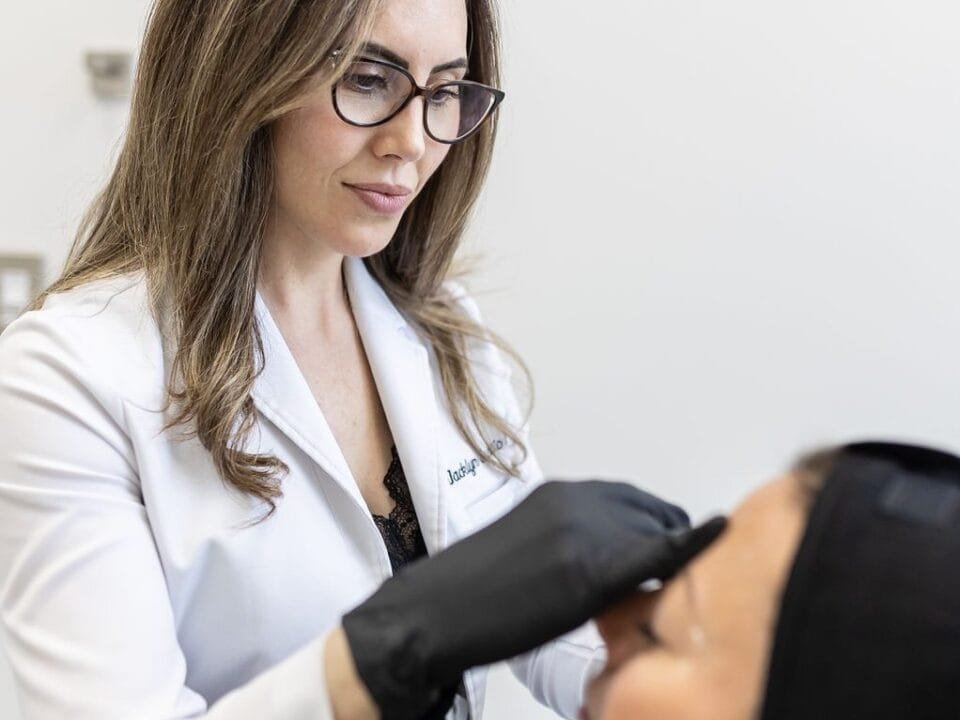
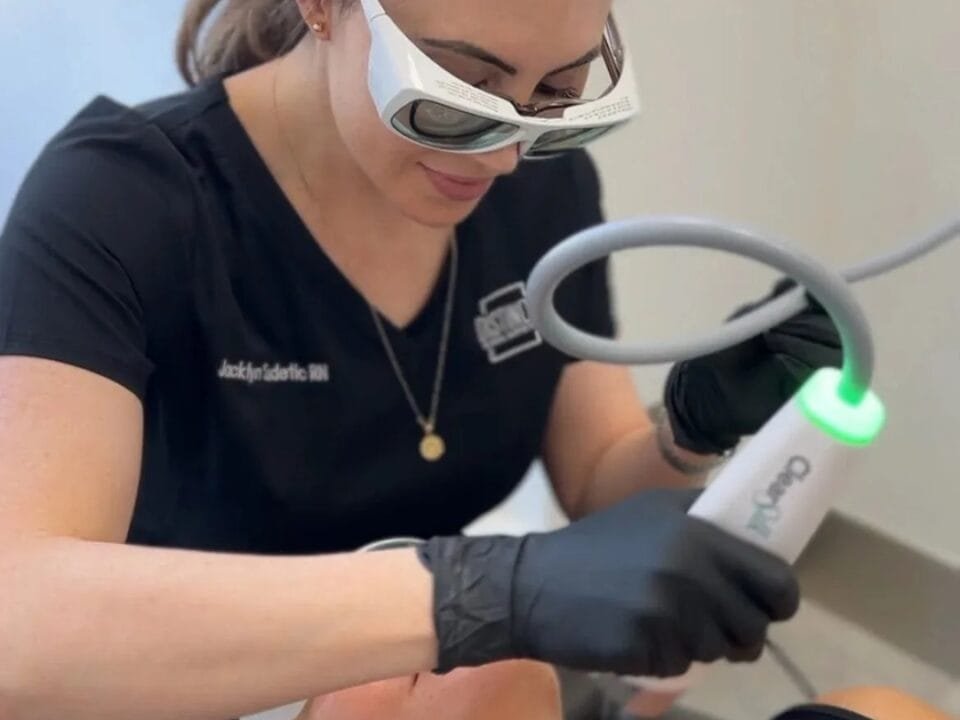
I’m Nurse Jacklyn, and I’ve spent over 15 years in medical aesthetics, from working alongside plastic surgeons to training others nationwide on Sciton lasers (the tech behind Contour TRL and Profractional ). My mission is to blend science with a human touch, so you not only understand these treatments but feel confident exploring them. It’s about giving you the knowledge to decide what’s right for you.
Your Next Step
Want to learn more about how laser resurfacing could fit into your skin journey? I’d love to chat with you in a consultation. We’ll explore your goals and see what makes sense—no pressure, just education. After all, great skin starts with understanding your options.
Why I Love Teaching This Stuff
I’m Nurse Jacklyn, and I’ve spent over 15 years in medical aesthetics, from working alongside plastic surgeons to training others nationwide on Sciton lasers (the tech behind Contour TRL and Profractional ). My mission is to blend science with a human touch, so you not only understand these treatments but feel confident exploring them. It’s about giving you the knowledge to decide what’s right for you.
Your Next Step
Want to learn more about how laser resurfacing could fit into your skin journey? I’d love to chat with you in a consultation. We’ll explore your goals and see what makes sense—no pressure, just education. After all, great skin starts with understanding your options.